 11
11
If you’re an independent artist asking how to build a fanbase without a label, you’re not alone. In the digital age, artists can scale audiences directly—but not through luck or one-off viral moments. Instead, growth happens through strategy, content systems, and consistent engagement.
In this article, we break down the real mechanisms that independent artists use to get fans, with data, practical examples, and visuals that explain the process step by step.
Below are three independent artist examples that illustrate how artists grew listeners and engaged audiences without label infrastructure.
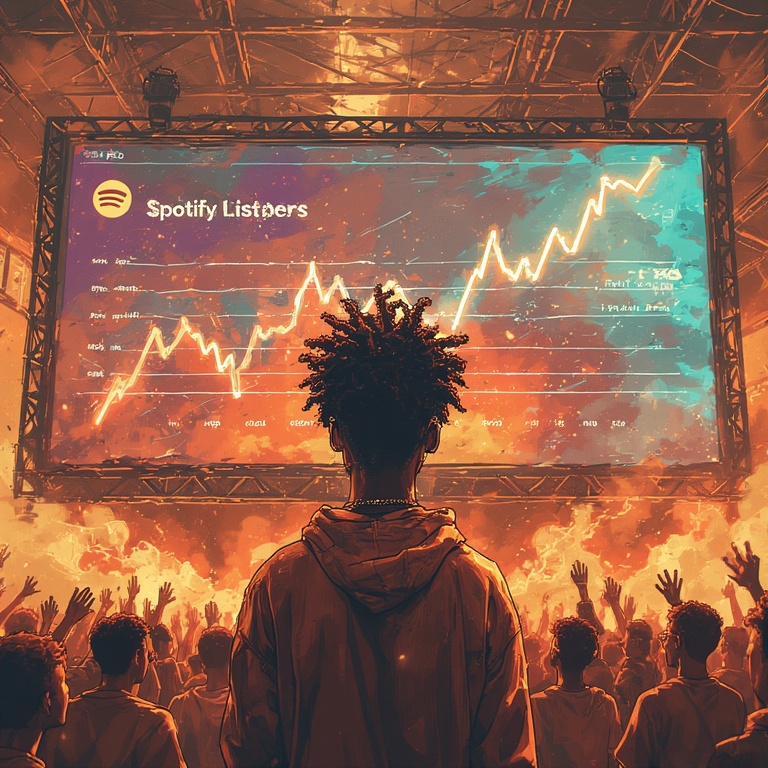
Transviolet increased streams by 20% in just two months before a single release by posting consistent short-form content on Instagram and TikTok. Their monthly Spotify listeners grew from ~240k to ~300k. (Making It with Chris G.)
Lowen doubled her Spotify monthly listeners (from ~20k to ~48k) in two months by sharing daily personal and behind-the-music content across platforms, proving that connection matters more than polished promotion. (Making It with Chris G.)
Julia Wolf increased her listeners from ~228k to ~1.19M over three months through daily posting and strategic repurposing on Instagram and TikTok, demonstrating that consistency and cross-platform presence compound growth. (Making It with Chris G.)
Let’s break down the three mechanisms that translate attention into fans—not just views.
Before tactics matter, your identity must be clear.
Fans gravitate toward artists with:
Strong identity creates recognition, which drives deeper engagement.
Artists must repeatedly show up in places their audience frequents.
Below is a simplified breakdown of a typical audience growth funnel for independent artists:
Platform Impressions
        ↓
Short-Form Content Views
        ↓
Streaming Listens
        ↓
Playlist Saves & Shares
        ↓
Fan Conversion (followers, email list)
Fans become loyal when they feel personally connected.
Key relationship drivers:
This aligns with direct-to-fan principles, which emphasize building and nurturing relationships independently of major label ecosystems. (Wikipedia)
Below is a simple representation to help you visualize how different actions contribute to gaining real fans—rather than just effortless views.
        Exposure
           |
Consistency → Signal Quality → Engagement → Fan Loyalty
           |
      (Platforms)
Interpreting the chart:
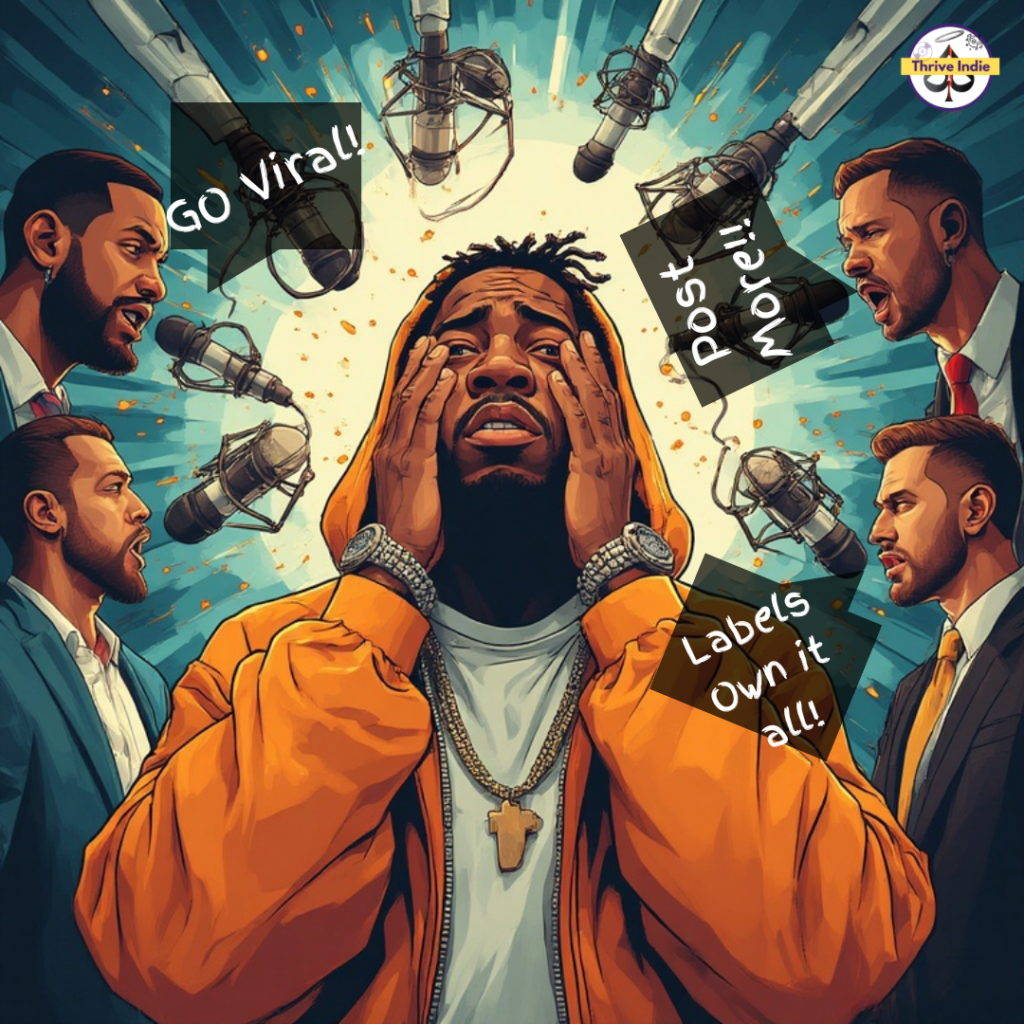
Viral doesn’t equal fanbase. It can trigger visibility, but without identity + relationship building, it often fails to convert to lifelong fans.
Posting more frequently without a strategy often causes burnout and a muddled identity.
Labels help with distribution and budgets. But today’s platforms and analytics let independent artists build and measure growth directly.
Here’s a sample timeline showing typical fan growth milestones for independent artists who use strategic consistency:
Artists who apply this method steadily build audiences that respond to new releases, attend events, and buy merch.
Getting fans without a label is not accidental—it is intentional. Independent artists who succeed fastest do three things well:
This is not a shortcut. But when you apply this framework systematically, you move beyond noise and into sustainable fan growth—no label required.



One thought on “How Independent Artists Get Fans Without a Label: Quick Guide”
Comments are closed.