 11
11
Most independent artists ask the same question:
“How do I get fans without a label?”
The problem is not that the question is wrong.
The problem is that most of the answers online are incomplete, misleading, or built around rare exceptions instead of repeatable systems.
Getting fans as an independent artist is not about luck, virality, or gaming platforms. It is about understanding how attention turns into trust—and how trust turns into fans.
This page breaks that process down clearly, without hype, shortcuts, or outdated industry thinking.
Before anything else, we need to define the goal.
Getting fans does not mean:
A fan is someone who:
Audience growth is not a single metric. It is a relationship-building process.
Most artists stall because they chase exposure instead of building connections.
The majority of music growth advice fails because it:
Advice like “post every day,” “pitch playlists,” or “go viral on TikTok” is not strategy. It is activity without context.
Independent artists do not need more tactics.
They need clarity on what actually creates fans.
Every sustainable fanbase is built by pulling three levers in the correct order.
Fans connect to artists who stand for something.
This includes:
If people cannot articulate why you are different, they will not remember you.
Signal is not volume. It is clarity and repetition.
Signal includes:
Fans are created through familiarity, not frequency.
Fans stay when they feel seen.
This includes:
Artists who treat fans like metrics struggle to retain them.
Exposure is often treated as the end goal.
In reality, exposure is only useful if:
Without those elements, exposure creates noise, not growth.
This is why many artists experience spikes in attention without long-term progress.
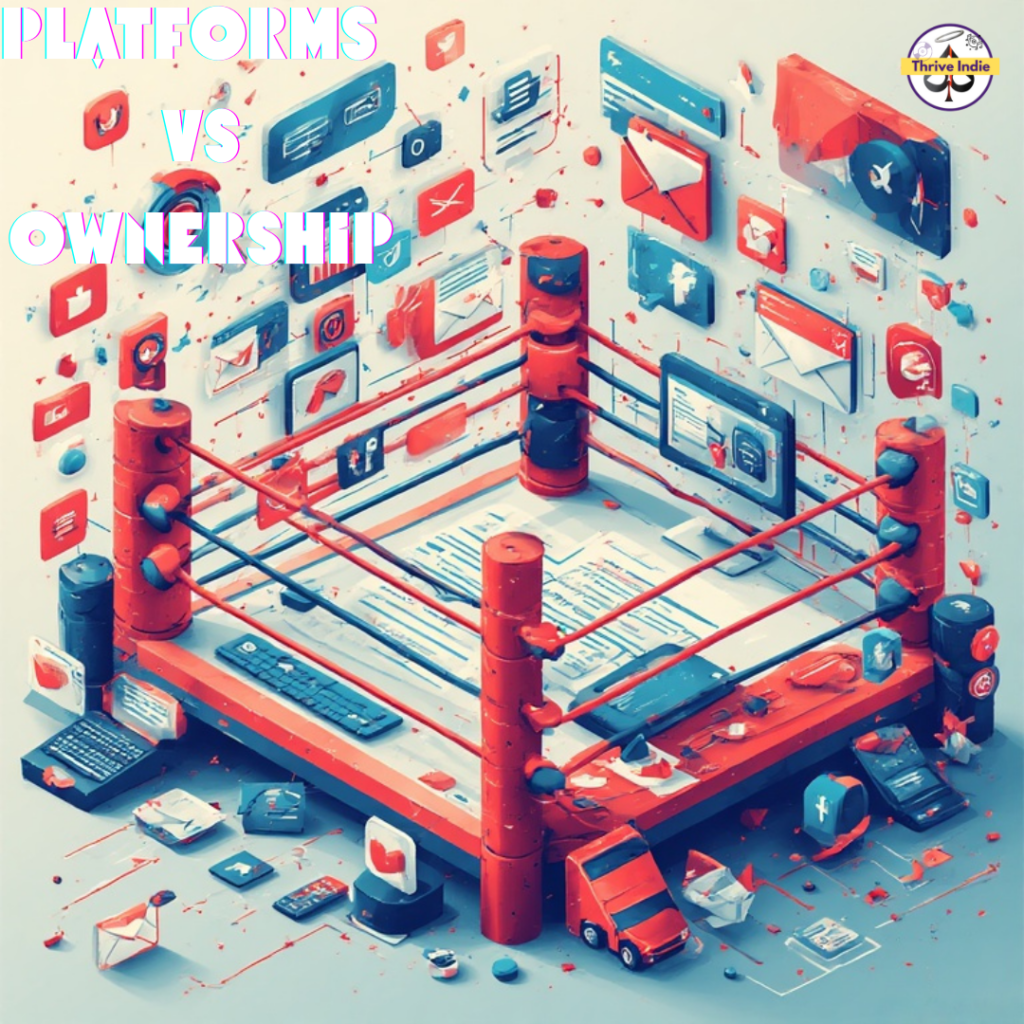
Platforms are tools. They are not foundations.
Social platforms:
Owned channels:
These channels:
Independent artists who grow sustainably understand how to use platforms for reach while building ownership for retention.
Consistency is important—but it is widely misunderstood.
Posting daily without a strategy leads to:
Strategic consistency focuses on:
The goal is not to post more.
The goal is to be recognizable over time.
(Update April 6th, 2026: 3 Underrated Tools to Increase Awareness for Independent Artists)
Most artists struggle because they apply late-stage tactics too early.
Let’s address a few directly.
1: You need to go viral
Reality: Most virality does not convert to fans.
2: You need to post every day
Reality: Clarity beats frequency.
3: You need paid promotion
Reality: Promotion amplifies what already works—it does not fix weak foundations.
4: The algorithm is the problem
Reality: Inconsistent messaging and unclear identity are the real issues.
If you are overwhelmed, start here:
Fan growth is accumulative, not explosive.
The articles below break down each part of fan growth in detail:
Each article expands on one lever of growth so you can apply it without guesswork.
Independent artists do not lose because they lack talent.
They lose because they lack systems and clarity.
Getting fans is not about chasing attention.
It is about earning trust over time.
If you approach growth with patience, intention, and consistency, fans are not optional—they are inevitable.

12 thoughts on “How Independent Artists Get Fans (Without a Label or Gimmicks)”
Comments are closed.