 11
11
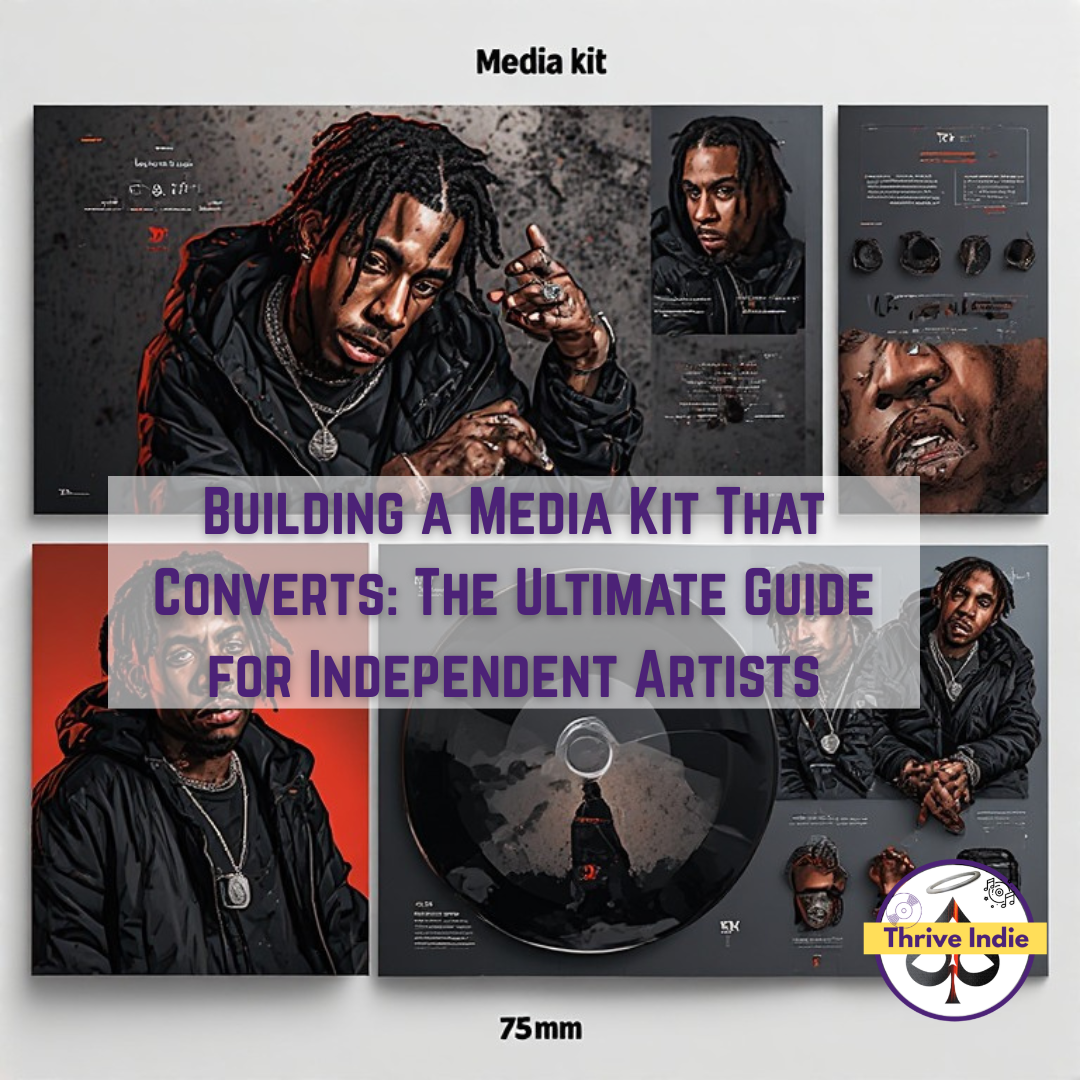
Most artist media kits fail for one simple reason:
They look good—but they don’t sell.
A media kit isn’t just a digital brochure. It’s a conversion tool. Its job is to make someone—whether that’s a brand, promoter, playlist curator, or journalist—say:
“We need to work with this artist.”
If your current media kit just lists your bio, photos, and links, you’re leaving money and opportunities on the table.
In today’s creator economy, your media kit is a core asset that supports everything outlined in “How Independent Artists Make Money in 2026.” It acts as the bridge between your art and your income.
In this guide, you’ll learn how to build a high-converting media kit that positions you as a professional, communicates your value clearly, and actually gets responses.
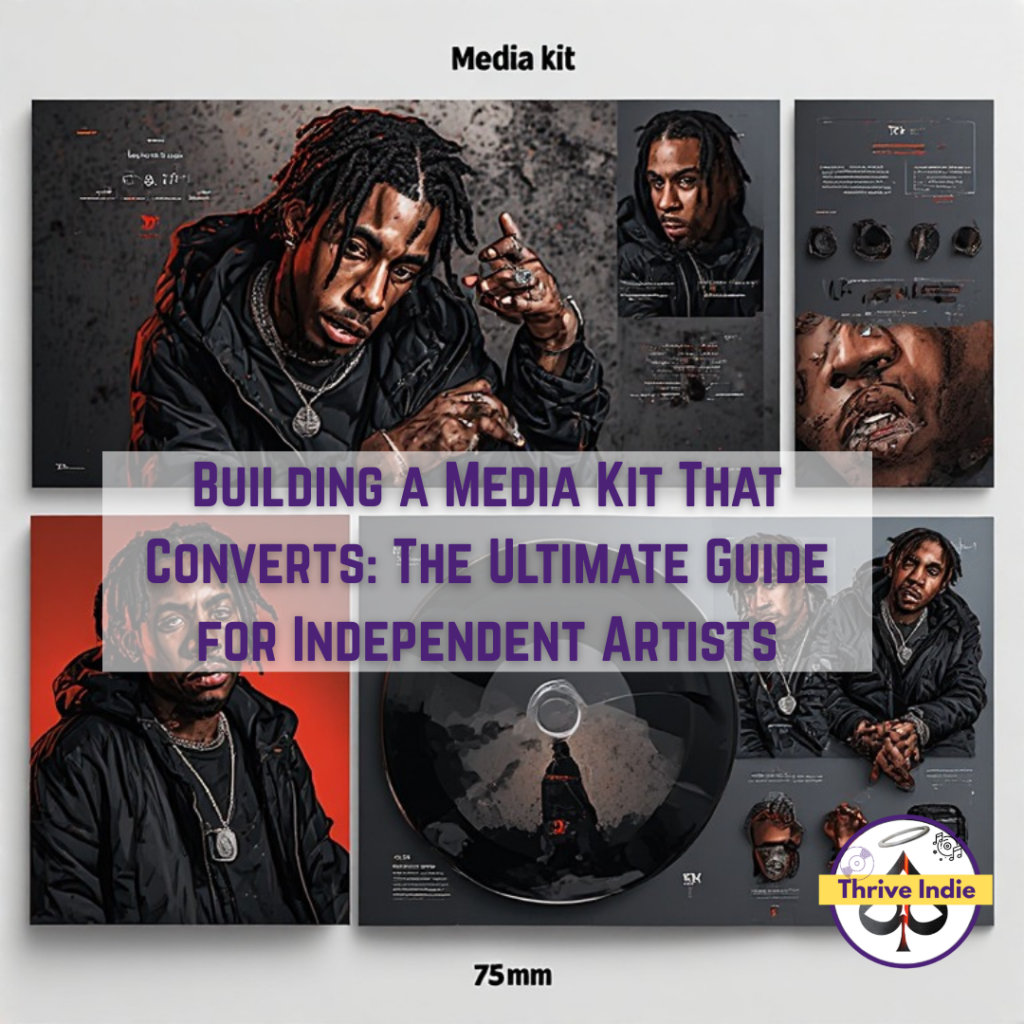
A media kit—often called an EPK (Electronic Press Kit)—is your professional pitch package.
It’s used for:
Old-school media kits focused on who you are.
Modern media kits focus on:
This shift mirrors what platforms like Adweek consistently report: brands and partners are prioritizing creators who can drive engagement and cultural relevance, not just aesthetics.
Let’s break down exactly what your media kit needs—and how to make each section work harder.
Skip the long bio at the top.
Instead, open with:
Example:
“Independent alt-pop artist blending cinematic visuals with emotionally driven storytelling, reaching 50K+ engaged Gen Z listeners across TikTok and Spotify.”
This immediately answers:
This is your most valuable section.
Include:
According to the influencer marketing benchmark report, brands are increasingly prioritizing engagement and niche audiences over raw follower count.
If your numbers are small, emphasize:
Your media kit should feel like your music sounds.
Include:
Think of artists like Billie Eilish or Travis Scott—their visuals are instantly recognizable. Your media kit should reflect that same level of cohesion, even on a smaller scale.
People trust what others already trust.
Include:
Example:
“Featured on Spotify’s ‘Fresh Finds’”
“Covered by indie blog outlets”
If you don’t have press yet, create your own momentum:
This approach aligns with strategies from How to Pitch Brands as an Independent Artist, where perceived value often matters as much as actual scale.
Don’t just say you’re a great collaborator—prove it.
Include:
Even better:
Show campaign-style content, not random posts.
Example:
This demonstrates you understand marketing—not just music.
Most media kits miss this—and it’s a huge mistake.
Spell out exactly how someone can work with you:
Make it easy for decision-makers to say yes.
This directly ties into building multiple revenue streams, as discussed in “Why Streaming Alone Won’t Sustain Your Career.”
End your media kit with a clear next step.
Examples:
Include:
Let’s break this down with a practical scenario.
An independent R&B artist with:
Instead of focusing on small numbers, their media kit emphasized:
They also included:
Result:
The takeaway:
Positioning beats scale.
Avoid these at all costs:
No one reads long paragraphs. Keep it scannable.
If you’re not showing numbers, you’re not showing value.
Your media kit should not look like a template.
If people don’t know how to work with you, they won’t.
Always keep stats current.
You don’t need a designer to create a professional kit.
Use:
Keep it:
Most artists create a media kit once and forget it.
Top artists treat it like a dynamic sales page.
Update it regularly with:
You can also:
This is especially powerful when combined with strategies from How Many Fans Do You Really Need to Make a Living?, where leverage comes from how you present your audience—not just its size.
Your media kit directly impacts:
It’s not just a document—it’s part of your monetization system.
When done right, it becomes:
In a landscape where artists must diversify income, this is non-negotiable.
Your music gets attention.
Your media kit closes the deal.
If you want to:
You need more than talent—you need positioning.
Build a media kit that:
Because the artists who win today aren’t just creating…
They’re converting.