 11
11
Merchandise has become one of the most important revenue streams for independent artists, yet many musicians struggle to sell it. The issue usually isn’t the audience—it’s the strategy behind the design. If you want an in-depth look at maximizing your income, read our guide: How Independent Artists Make Money in 2026.
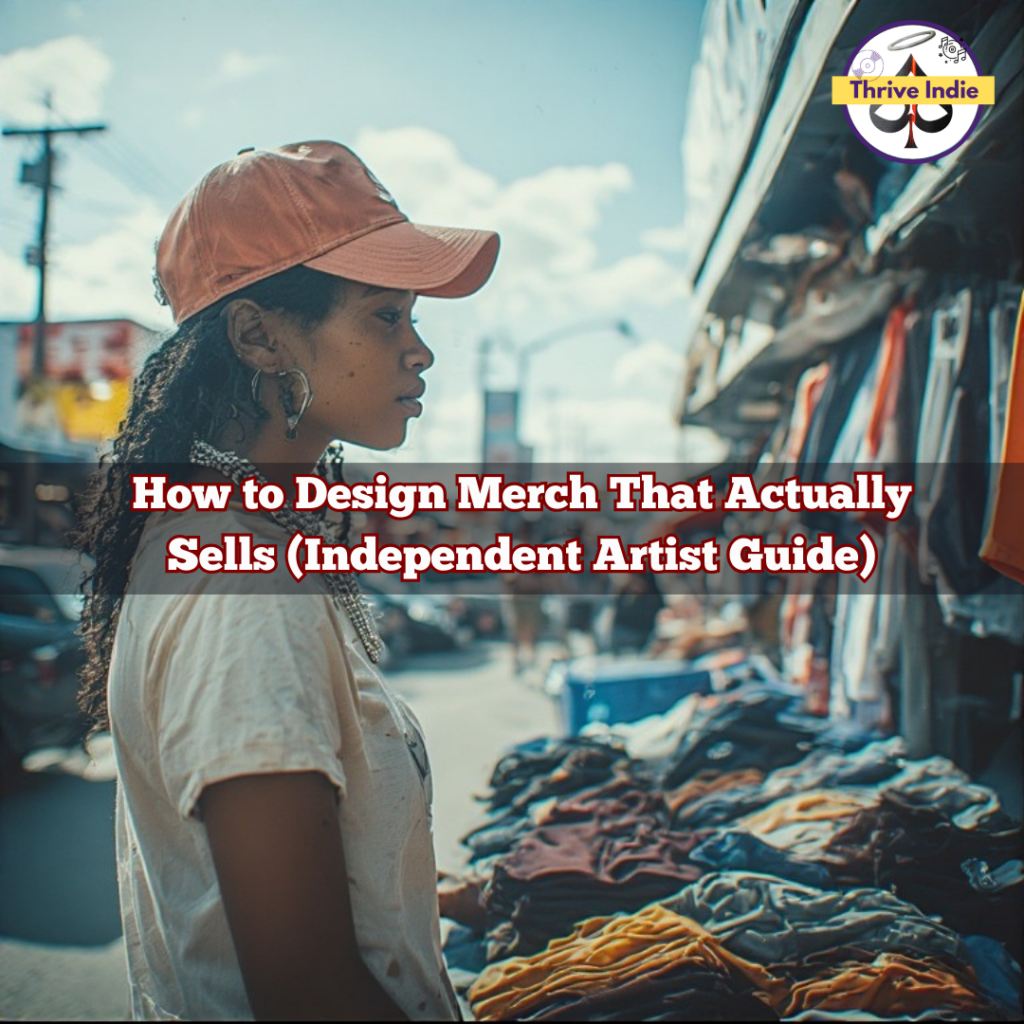
Too often, artists print a shirt with their logo or album cover and assume fans will buy it. But the most successful artist merchandise today functions more like streetwear or lifestyle branding than traditional promotional material.
If you want merch that actually sells, you need to create products that fans want to wear, even if they weren’t already fans of your music.
This guide explains how independent artists can design merchandise that fans genuinely want—and are excited to buy.
Streaming income is unpredictable for most musicians, but merch allows artists to monetize their most dedicated fans directly.
According to Statista, global music merchandise sales amount to billions of dollars annually, with merchandise often becoming one of the most profitable revenue streams for touring artists.
You can explore detailed data about the merch industry here.
For independent musicians trying to build sustainable careers, merchandise offers several advantages:
Merch works best when it’s integrated into a larger artist business strategy. If you want a deeper breakdown of how merch fits into a modern independent artist revenue model, read our guide:
Touring Profit Breakdown for Independent Artists.
One of the biggest mistakes artists make is designing merch that feels like advertising.
Most fans don’t want to walk around wearing a giant promotional graphic unless the design itself is stylish.
Instead, approach merch like a clothing brand. Focus on elements such as:
A useful rule:
If someone who doesn’t know your music would still wear the design, you’re doing it right.
Successful artist merch often feels more like streetwear than band merchandise.
Great merch requires strong visual design fundamentals.
Many artists underestimate how much design quality influences sales.
Focus on these elements:
Typography
Clean, bold fonts usually perform better than cluttered layouts.
Limited Color Palettes
Using two or three colors often results in cleaner, more wearable designs.
Simple Graphics
Overly detailed artwork can be difficult to print and may not look good on clothing.
Think of your merch like a small clothing collection rather than individual products.
Your audience should influence every design decision.
Ask yourself:
For example:
Merch that matches your audience’s style is far more likely to sell.
Scarcity plays a major role in driving merch sales.
Instead of leaving designs available forever, consider strategies like:
Limited releases create urgency and give fans the feeling that they’re purchasing something unique.
This strategy is used by major artists and works just as effectively for independent musicians.
Another common mistake is launching too many products at once.
Instead, begin with a small selection of core items such as:
Focus on two or three strong designs rather than a large catalog.
A smaller, more curated collection often feels more professional and increases the perceived value of your merch.
Fans connect with stories, not just products.
Explain the inspiration behind your merch designs, such as:
Sharing the story behind your merchandise turns it into something more meaningful than a simple product.
It becomes part of your artistic identity and brand narrative.
Before investing heavily in merch production, test your designs with your audience.
You can do this by:
Testing demand helps ensure that you’re producing merch people actually want.
Designing merch that sells requires thinking beyond traditional band merchandise. The most successful independent artists treat merch as fashion, branding, and fan connection—not just promotion.
When your designs reflect your identity and resonate with your audience, merchandise becomes much more than a side product. It becomes a powerful part of your artist business.
And when combined with revenue streams like touring, direct fan sales, and digital releases, merch can play a major role in building a sustainable independent music career.


3 thoughts on “How to Design Merch That Actually Sells (Independent Artist Guide)”