 11
11
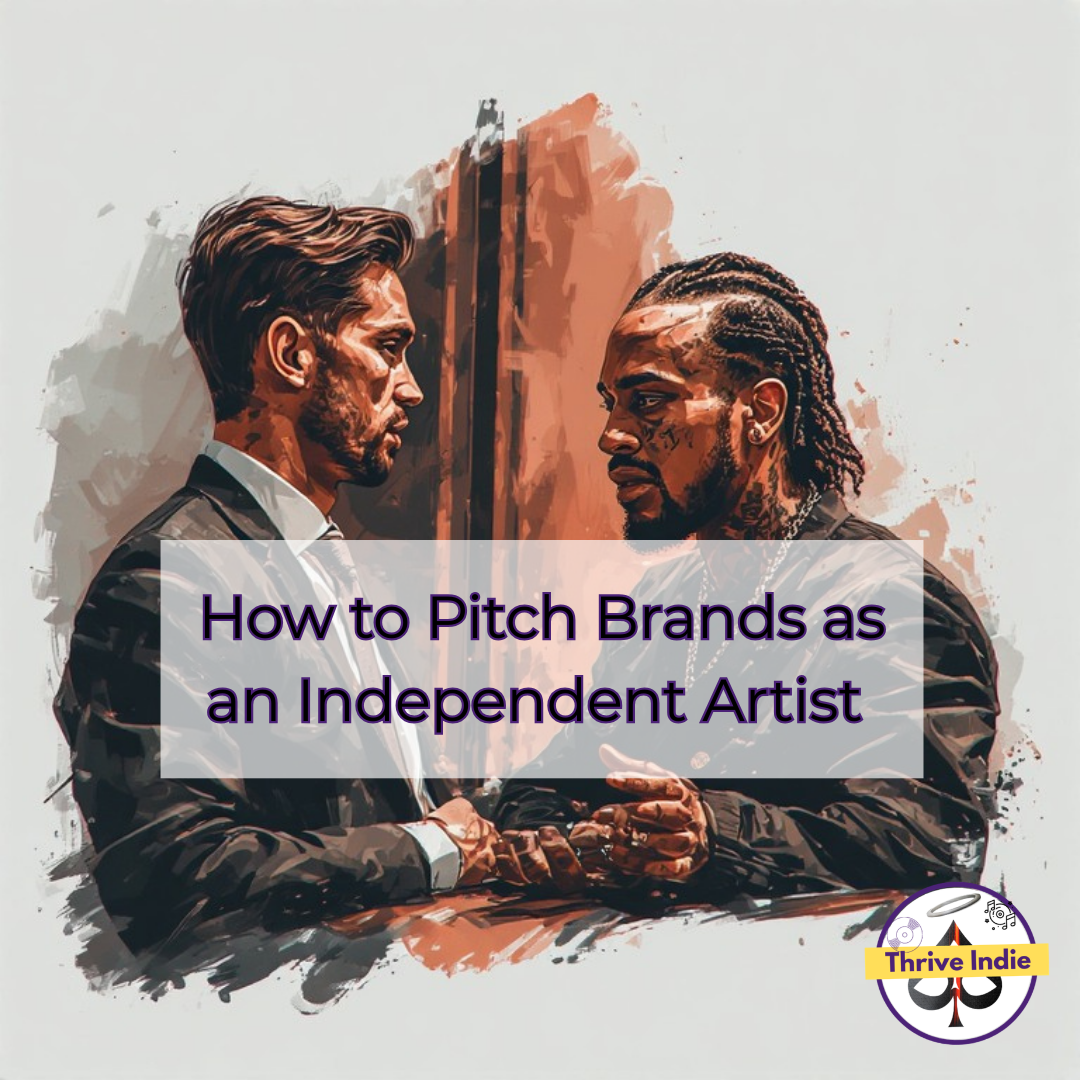
Most independent artists think brand deals are reserved for influencers with millions of followers.
That’s wrong.
Brands don’t just pay for audience size—they pay for attention, identity, and trust. If you have even a small but engaged audience, you are already valuable.
The difference between artists who land brand deals and those who don’t isn’t luck—it’s positioning.
In this guide, you’ll learn exactly how to pitch brands as an independent artist, structure your value, and turn your creative identity into a monetizable asset.
If you want to go deeper into monetization strategies beyond brand deals, start with How Independent Artists Make Money in 2026—it lays out the full blueprint for building a sustainable career as an independent artist.
The marketing landscape has shifted. Traditional ads are losing effectiveness, and brands are investing heavily in creator-driven campaigns.
According to a report by Influencer Marketing Hub, the influencer marketing industry is projected to exceed $24 billion globally. Meanwhile, platforms like TikTok and YouTube have made culture more valuable than polished ads.
Artists sit at the center of culture.
You’re not just content creators—you shape aesthetics, trends, and communities.
Before you email a single company, you need to answer one question:
Why should a brand work with you?
This is where most artists fail—they pitch themselves, not the outcome.
Brands care about:
Break your value into three components:
1. Audience
2. Identity
3. Distribution
If you don’t have strong numbers yet, focus on niche authority. A small, loyal audience can outperform a large, passive one.
This ties directly into building leverage through platforms, as discussed in Why Streaming Alone Won’t Sustain Your Career.
A common mistake: pitching Nike, Red Bull, or Apple with 5,000 followers.
Instead, target:
If you’re a lo-fi indie artist, pitch:
If you’re a high-energy hip-hop artist:
The closer the alignment, the easier the “yes.”
You don’t need a fancy deck—but you do need clarity.
Your media kit should include:
Optional but powerful:
Think of this as your resume for brand deals.
Your pitch should be short, specific, and outcome-focused.
1. Personalized Opening
Show you actually know the brand.
2. Who You Are
One sentence, clear positioning.
3. Why It Makes Sense
Explain the alignment.
4. The Idea
What you’ll actually do.
5. The Value
What they get from it.
Subject: Partnership Idea with [Brand Name]
Hi [Name],
I’m an independent [genre] artist creating content around [your niche]. I’ve been following [Brand Name], and I love how you [specific detail about them].
My audience of [X followers] is heavily into [relevant interest], and I think there’s a strong alignment here.
I’d love to collaborate on a campaign where I:
This would give your brand exposure to a highly engaged audience that already aligns with your target market.
Let me know if you’d be open to exploring this.
Best,
[Your Name]
Brands don’t pay for art—they pay for distribution and influence.
So instead of saying:
“I’ll wear your hoodie in a post”
Say:
“I’ll create a 3-part TikTok series integrating your hoodie into a storytelling arc tied to my upcoming release”
Specificity = value.
No past deals? No problem.
Create fake campaigns.
Pick a brand you love and:
This demonstrates initiative and capability.
This approach is similar to how artists bootstrap income streams in How Many Fans Do You Actually Need to Go Full-Time as an Independent Artist?—you create proof before opportunity.
Here’s your biggest advantage over influencers:
You have music.
That means you can offer:
This is something most creators can’t do.
Example:
An independent artist creates a TikTok trend using a brand’s product + their song → brand gets exposure + artist gets streams.
Win-win.
This wasn’t just a sponsorship—it was cultural integration. The campaign included:
It worked because it aligned perfectly with his audience.
Instead of a generic ad, Adobe invited fans to create artwork for her campaign, blending creativity with brand engagement.
Thousands of smaller artists are landing deals with:
Not because they’re famous—but because they understand content + audience alignment.
Pricing depends on:
But here’s the key:
Don’t just sell posts—sell campaigns.
Example:
Bundle everything into one package.
If you don’t hear back, follow up in 5–7 days.
Keep it simple:
“Just wanted to follow up on this—would love to explore if this could be a fit.”
Persistence is often the difference between getting ignored and getting paid.
The goal isn’t one deal—it’s ongoing partnerships.
Once you land one:
Brands prefer repeat collaborators over constantly finding new creators.
To better understand how brands evaluate creators, review this influencer marketing benchmark report from Influencer Marketing Hub, which breaks down ROI expectations and engagement metrics across platforms.
You can also explore case studies and campaign insights from Adweek, which regularly analyzes successful brand-creator collaborations and what made them effective.
Brand deals aren’t about being famous.
They’re about being strategic.
If you:
You can turn your artistry into a scalable income stream.
And in today’s landscape, that’s not optional—it’s essential.
Because the artists who win in 2026 aren’t just making music…
They’re building ecosystems.