 11
11
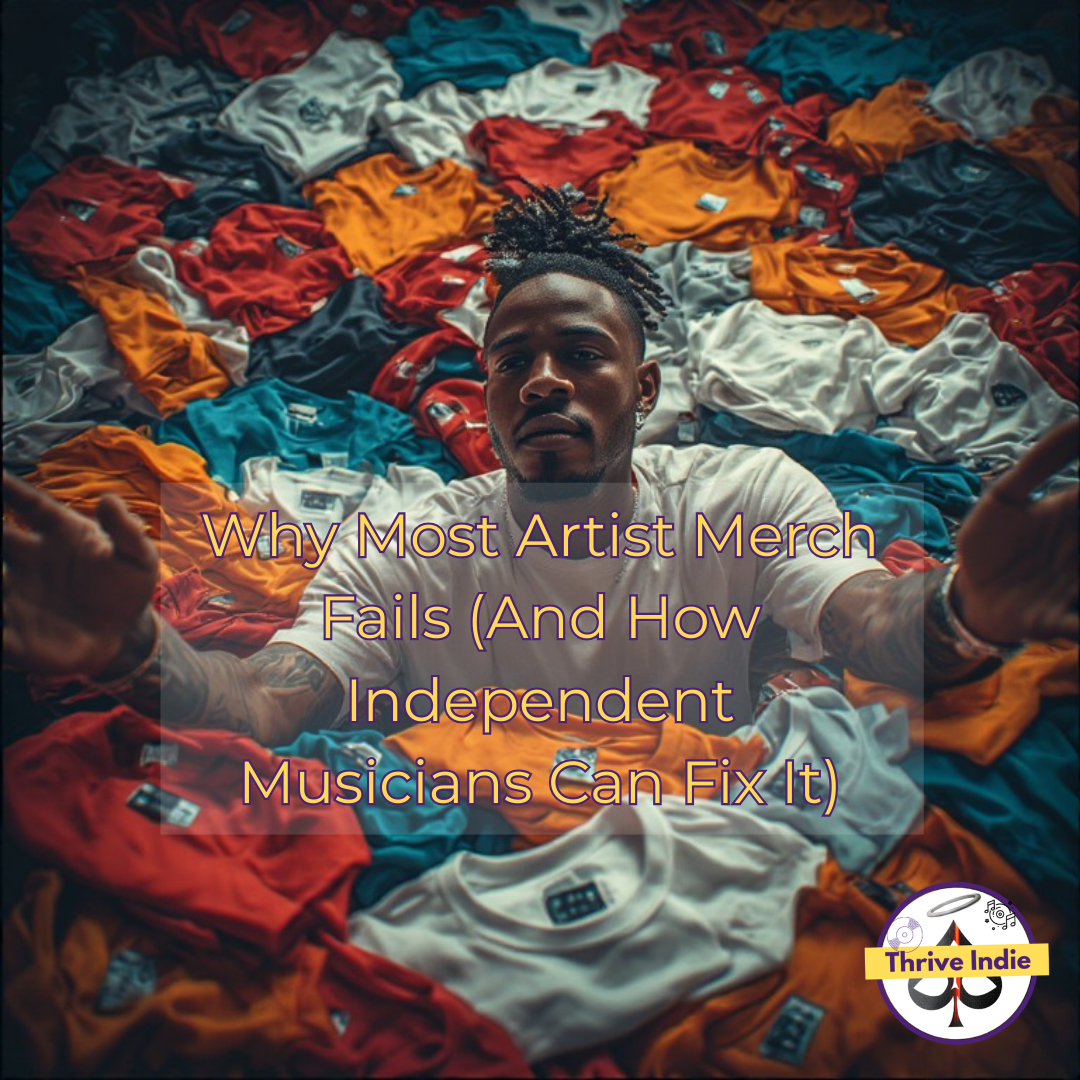
Merchandise is one of the most powerful revenue streams for independent artists, yet most musicians’ merch sales are minimal.
The issue usually isn’t the fanbase—it’s the strategy behind the merch itself.
Too many artists treat merch like a promotional afterthought instead of a core part of their brand. The result? Boxes of unsold shirts and disappointed fans.
In this guide, we’ll break down why most artist merch fails and what independent musicians can do to design products that actually sell.
If you want a broader look at how merch fits into a sustainable artist business model, read our pillar guide:
How Independent Artists Make Money in 2026
Artist merchandise is a massive industry. Live shows and merchandise together generate billions in revenue every year.
According to research from Statista, the global music merchandise market continues to grow as fans increasingly purchase products to support their favorite artists and express their identity.
The opportunity is real. But most artists still struggle to convert fans into merch buyers.
Here’s why.
The most common reason artist merch fails is simple:
It looks like promotion instead of fashion.
Many musicians print shirts with:
But most fans don’t want to wear clothing that feels like a billboard.
Successful artist merch behaves more like streetwear.
Great merch designs:
A good rule of thumb:
If someone who doesn’t know your music would still wear it, the design is probably strong.
For deeper design strategies, read our guide:
How to Design Merch That Actually Sells
Another mistake many artists make is launching too many merch items at once.
Large catalogs can overwhelm fans and make the merch feel less curated.
Instead, successful artists often start with a small, focused product line, such as:
A small collection feels more intentional and often converts better.
This approach also reduces financial risk when producing inventory.
Fans don’t just buy products—they buy identity and connection.
Merch works best when it reflects something meaningful about the artist:
When merch has a story, it becomes more than a product—it becomes a symbol of belonging to a community.
Artists who explain the inspiration behind their merch often see significantly higher engagement.
Many artists keep merch available forever.
While that seems convenient, it removes urgency.
Scarcity is one of the most powerful sales drivers in merchandise.
That’s why successful artists frequently use strategies like:
These approaches encourage fans to buy before the item disappears.
If you want to learn more about merch release strategies, see:
Pre-Order Drops vs On-Demand Printing
Merch performs best when it’s part of a larger artist ecosystem.
Many independent artists make the mistake of simply launching merch without connecting it to other aspects of their career.
Merch sales increase significantly when tied to:
For example, touring artists often sell the majority of their merchandise at live shows. If you want to understand how touring impacts artist income, read:
Touring Profit Breakdown for Independent Artists
When merch is integrated into the broader artist strategy, it becomes a powerful revenue driver rather than a side project.
Not every fanbase responds to the same design aesthetic.
For example:
Merch that reflects the culture of your audience is far more likely to sell.
Successful artists pay attention to what their fans already wear, then design products that fit naturally into that style.
Merchandise is one of the most underutilized opportunities for independent artists.
The reason most merch fails isn’t because fans don’t want it—it’s because the merch doesn’t connect with fans in the right way.
When artists treat merch like fashion, storytelling, and brand identity, it becomes far more powerful.
The key principles are simple:
When done well, merch can become one of the most reliable income streams in an independent music career.



One thought on “Why Most Artist Merch Fails (And How Independent Musicians Can Fix It)”