 11
11

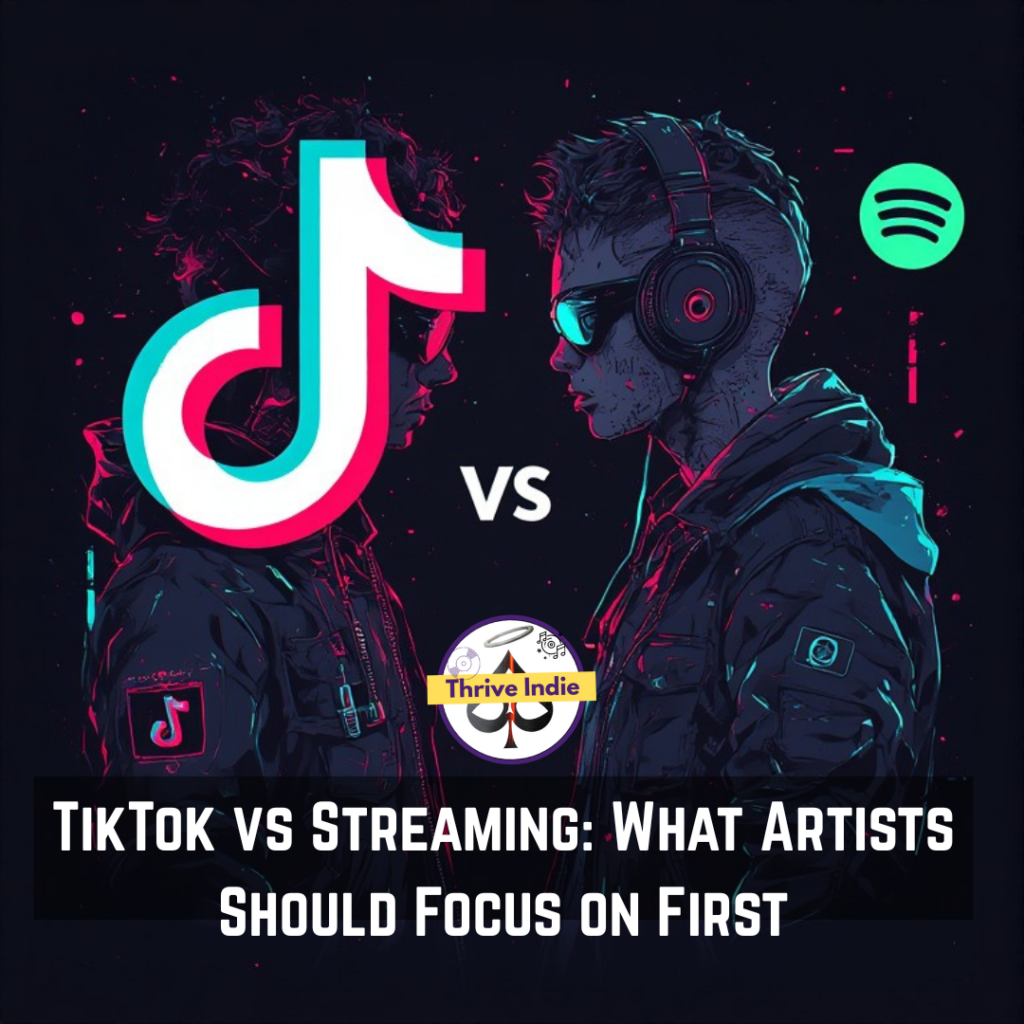
One of the most common questions independent artists ask today when trying to build a fanbase is:
“Should I focus on TikTok or streaming first?”
The confusion is understandable. TikTok can explode an artist’s visibility overnight, while streaming platforms are where music careers are traditionally measured. Many artists feel pressured to do both at once—and end up doing neither well.
The truth is this: TikTok and streaming serve very different roles, and focusing on the wrong one first can stall your growth entirely.
This article breaks down what each platform is actually good for, how established artists have used them, and which one you should prioritize depending on your current stage.
Before comparing platforms, you need to understand one key distinction:
TikTok helps people find you.
Streaming platforms help people stay with you.
Most artists struggle because they expect streaming platforms to do the job TikTok is designed for—or they chase TikTok virality without a plan to convert attention into listeners.
TikTok is currently the most powerful discovery tool available to independent artists. Unlike streaming platforms, TikTok does not require an existing audience to reach new people.
A song, story, or moment can be shown to thousands—or millions—of users regardless of follower count.
Lil Nas X used TikTok to seed “Old Town Road” through memes and short-form clips before the song ever dominated streaming charts. TikTok didn’t replace streaming—it created the demand that streaming then captured.
TikTok allows artists to test:
Instead of guessing which song to push, artists can observe what audiences react to first.
JVKE repeatedly posted snippets of unfinished songs on TikTok, paying attention to comments and saves. When a song resonated, it was released—already validated by audience response.
TikTok does not require:
It rewards:
For early-stage artists, this makes TikTok the fastest way to generate initial attention. Below, I have inserted a video about how TikTok has revolutionized the music industry.
Streaming platforms like Spotify and Apple Music are not designed to create demand from scratch. They respond to signals:
These signals usually come after fans discover you elsewhere.
Russ built demand independently through consistent releases and direct-to-fan promotion before streaming platforms amplified his growth. Streaming validated what he had already built—it didn’t start it.
Streaming platforms are where fans:
This is how casual listeners turn into habitual fans.
Before streaming dominance, Chance distributed music for free and focused on fan relationships. When his catalog lived on streaming platforms, listeners already had an emotional investment—driving massive engagement.
While fans matter most, streaming numbers still influence:
Streaming doesn’t build fanbases—but it proves they exist.
Many independent artists prioritize streaming too early.
They:
At the same time, some artists go all-in on TikTok without:
Both approaches fail because they isolate platforms instead of sequencing them.
If you:
TikTok should be your primary focus.
Your goal is not virality—it’s repeat exposure and recognition.
Post consistently. Test ideas. Learn what resonates.
Once TikTok begins driving:
Then streaming becomes critical.
Your goal shifts from discovery to habit formation:
The real question isn’t TikTok vs streaming.
It’s:
Which platform should I use first—based on my current reality?
For most independent artists:
They are not competitors.
They are sequential tools.
The worst thing an artist can do is:
Growth happens when:
If you are early in your career, focus on TikTok first—not because it’s trendy, but because it solves the hardest problem: discovery.
Once attention exists, streaming platforms become powerful.
Artists don’t fail because they choose the wrong platform.
They fail because they choose the right platform at the wrong time.




2 thoughts on “TikTok vs Streaming: What Artists Should Focus on First”
Comments are closed.