 11
11
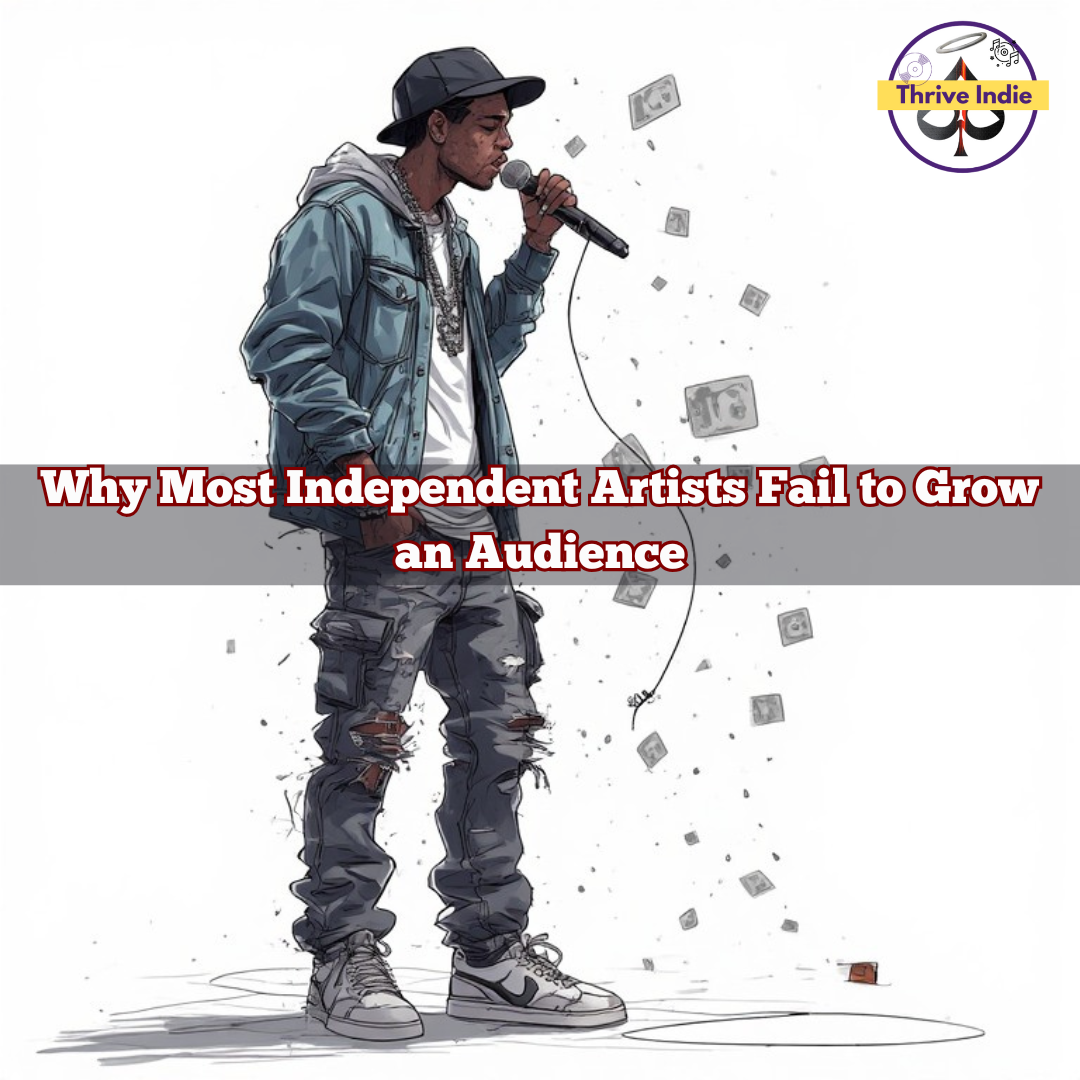
Independent artists today have more tools than ever before to release music and reach listeners worldwide—but most still fail to build a sustainable, engaged fanbase. The reasons are not talent, passion, or creativity alone. Rather, there are real structural, strategic, and behavioral factors that impede growth.
Below, we break down the major barriers, real examples from established artists, and concrete lessons you can apply to avoid the same pitfalls.
5 reasons why artists fail to grow an audience
Watch a breakdown of common reasons musicians struggle to grow a fanbase here:
👉Top 5 Reasons Musicians Fail to Grow an Audience (YouTube)
The democratization of music distribution has lowered barriers to entry. Platforms like TikTok, YouTube, and Spotify allow anyone to upload music instantly. But that flood of content creates an oversaturated market, making it extremely difficult for individual artists to stand out. (WTSI-HOT 94.3 Miami)
Even highly talented artists can be lost in the sea of releases if they don’t have a strategic way to signal why listeners should notice them.
A major trend among artists who struggle is that they don’t treat their career like a business. They focus on creating music but neglect structured marketing, positioning, planning, tracking, and brand building. (Ammedia Digital)
What this looks like in practice:
Without a marketing mindset, artists often repeat the same guesswork tactics that produce minimal results—posting randomly, chasing trends, or hoping a playlist will “break” them.
Many independent artists fail because they don’t define a target listener. They produce music they think everybody might like, but nobody in particular feels directly spoken to. (SounDisruptr)
If your music and messaging are too broad:
Successful indie musicians define their audience clearly and tailor everything—from visuals to messaging—to resonate with that group.
A common fallacy is equating streams, views, or followers with fanbase growth. Artists may celebrate a video hitting 10,000 views—but if those viewers do not engage further (e.g., subscribe, follow, save, attend shows), those numbers are often meaningless. (SounDisruptr)
One anonymous streamer on Reddit explains that many artists treat streaming numbers as proof of progress, when in reality:
“…some streams are fake or passive, and they don’t translate into actual fans who interact with you, buy merch, or come to shows.” (SounDisruptr)
Rather than chasing superficial metrics, focusing on engagement quality—comments, shares, playlist saves, email signups—is far more predictive of long-term audience growth.
The modern music landscape gives independent artists unprecedented data access—from Spotify for Artists analytics to TikTok and Instagram insights. However, many artists either:
Understanding how listeners find your music, where they come from, and how they behave enables targeted strategies rather than random posting.
A frequent piece of feedback from independent artists is the disjointed nature of the creative vs marketing process. Talent and music quality alone do not guarantee visibility. Often, artists are:
Without bridging the gap—combining artistry with repeatable promotion systems—audience growth stalls.
Not all challenges come from the artists themselves. Independent musicians also compete with major-label artists who dominate playlists, media attention, and algorithmic visibility.
Further, streaming platforms can favor artists with larger listening bases. While indie artists can succeed, this structural advantage for established acts makes organic growth harder without strategic outreach. (WTSI-HOT 94.3 Miami)
James Blake, a critically acclaimed artist, has publicly discussed the challenges of navigating modern platforms like TikTok and streaming economics as an independent creative. His experience highlights how exposure doesn’t always translate to monetization or sustained audience engagement without strategic content and business planning. (Financial Times)
While not a “failure,” Fugazi’s iconic strategy of releasing music independently showcases the risks and rewards of DIY approaches. Their path demanded sustained effort in touring, grassroots community building, and merchandising without corporate support—revealing what real independent growth entails, and why many struggle to replicate it today. (Wikipedia)
One persistent theme from artists who struggle is the belief that music quality alone should attract an audience. But in today’s environment, talent is a starting point, not a growth engine.
Independent artists need:
Without these, even excellent music might never find its audience.
Here’s what consistently successful indie artists do differently:
This combination of strategy and craft is what separates artists who grow audiences from those who only accumulate empty listens.
Summary: Independent artist growth fails for systemic reasons, not just musical ones. Understanding why artists fail is the first step to building a strategy that actually works. If you want fans—not fantasies—you must treat your career like both art and business.

One thought on “Why Most Independent Artists Fail to Grow an Audience”
Comments are closed.